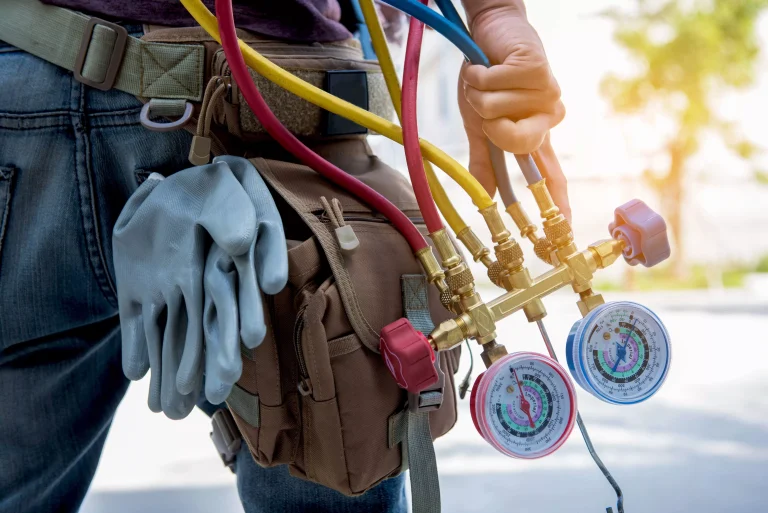
Heat pumps have experienced a dramatic surge in popularity across the United States. According to the International Energy Agency, heat pump sales in the U.S. exceeded those of gas furnaces for the first time in 2022, with over 4 million units sold. This shift reflects growing consumer demand for energy-efficient alternatives that reduce utility costs and environmental impact. As HVAC professionals, we have watched this trend develop and invested heavily in training our technicians to install, maintain, and repair heat pump systems of every type and configuration.
How Heat Pumps Work
Unlike traditional furnaces that burn fuel to generate heat, a heat pump moves thermal energy from one location to another using a refrigerant cycle. During cooler months, the system extracts heat from the outdoor air, ground, or water source and transfers it indoors. In warmer months, the process reverses, pulling heat from inside your home and releasing it outdoors, functioning exactly like a high-efficiency air conditioner. This dual-functionality eliminates the need for two separate systems, simplifying your HVAC setup and reducing maintenance requirements.
The core components include an outdoor unit with a compressor and coil, an indoor air handler or coil, a reversing valve that changes the direction of refrigerant flow, an expansion valve to regulate refrigerant pressure, and a thermostat to manage the entire process. Modern heat pumps also incorporate variable-speed compressors and advanced defrost controls, allowing them to operate efficiently even when outdoor temperatures drop significantly. Our installation team carefully evaluates your property’s insulation, ductwork, square footage, and climate exposure before recommending the ideal system size and type.
Types of Heat Pumps We Install
We work with several categories of heat pump technology, each suited to different applications and property types. Understanding the distinctions helps you make an informed decision about which system best fits your needs.
- Air-source heat pumps are the most common type and transfer heat between your home and the outdoor air. They are highly effective in moderate climates and can achieve efficiency ratings exceeding 300 percent, meaning they produce three units of heat for every one unit of electricity consumed.
- Mini-split or ductless heat pumps provide targeted zone heating and cooling without the need for ductwork. These are ideal for additions, converted garages, older homes lacking ducts, and commercial spaces requiring individualized climate control in separate rooms.
- Geothermal heat pumps use the stable underground temperature of the earth to exchange heat. While the upfront installation cost is higher due to the ground loop system, geothermal units deliver exceptional efficiency and can last 25 years or more for the indoor components and over 50 years for the ground loop.
Residential and Commercial Applications
For residential customers throughout Lakeway, The Hills, Bee Cave, Hudson Bend, Briarcliff, & Lost Creek, TX, heat pumps provide a streamlined approach to whole-home comfort. Families benefit from quieter operation, improved humidity control, and noticeably lower electricity bills. We frequently install heat pumps in new construction projects as well as retrofit them into existing homes that previously relied on aging furnaces or window units. The flexibility of ductless mini-split systems makes them particularly popular for homeowners who have expanded their living space and need climate control in areas not reached by existing ductwork.
On the commercial side, heat pumps serve offices, retail spaces, restaurants, and multi-unit buildings with remarkable efficiency. Variable refrigerant flow systems, a sophisticated form of heat pump technology, allow us to heat certain zones of a building while simultaneously cooling others. This capability is invaluable for commercial properties where server rooms, kitchens, and customer-facing areas all have vastly different thermal demands operating under the same roof.
Maintenance and Long-Term Performance
Proper maintenance is essential to maximizing the lifespan and efficiency of any heat pump system. We recommend scheduling professional maintenance at least twice per year, once before the cooling season and once before heating season. During these visits, our technicians perform a thorough inspection that includes checking refrigerant levels, cleaning coils, testing electrical connections, inspecting the reversing valve, and verifying thermostat calibration.
- Clean or replace filters monthly to maintain proper airflow and indoor air quality
- Keep outdoor units clear of debris, vegetation, and obstructions within at least two feet on all sides
- Monitor energy bills for unexpected spikes that may indicate declining system performance
When you partner with Liberty Mechanical for your heat pump needs, you gain access to more than three decades of hands-on expertise and a genuine commitment to your comfort. Contact us today to discuss how heat pump technology can transform your indoor environment.